Skip to content
Recuts

01The question a tailor asks you

What thiscouldbecome

Photograph the piece you stopped wearing. Recuts reads the cut, the seam runs and how much cloth is actually clear of wear, then gives you three or four things it could turn into — each one with what you would lose, and the order to take it apart in.

Cutting is permanent. Read what you lose before you start. Recuts never says a piece should be cut. It says what would be gone if you did.

Direction 02 / 04 — crop at the hipSuggested — not a fitting
Suggested line — measure again before you cut.
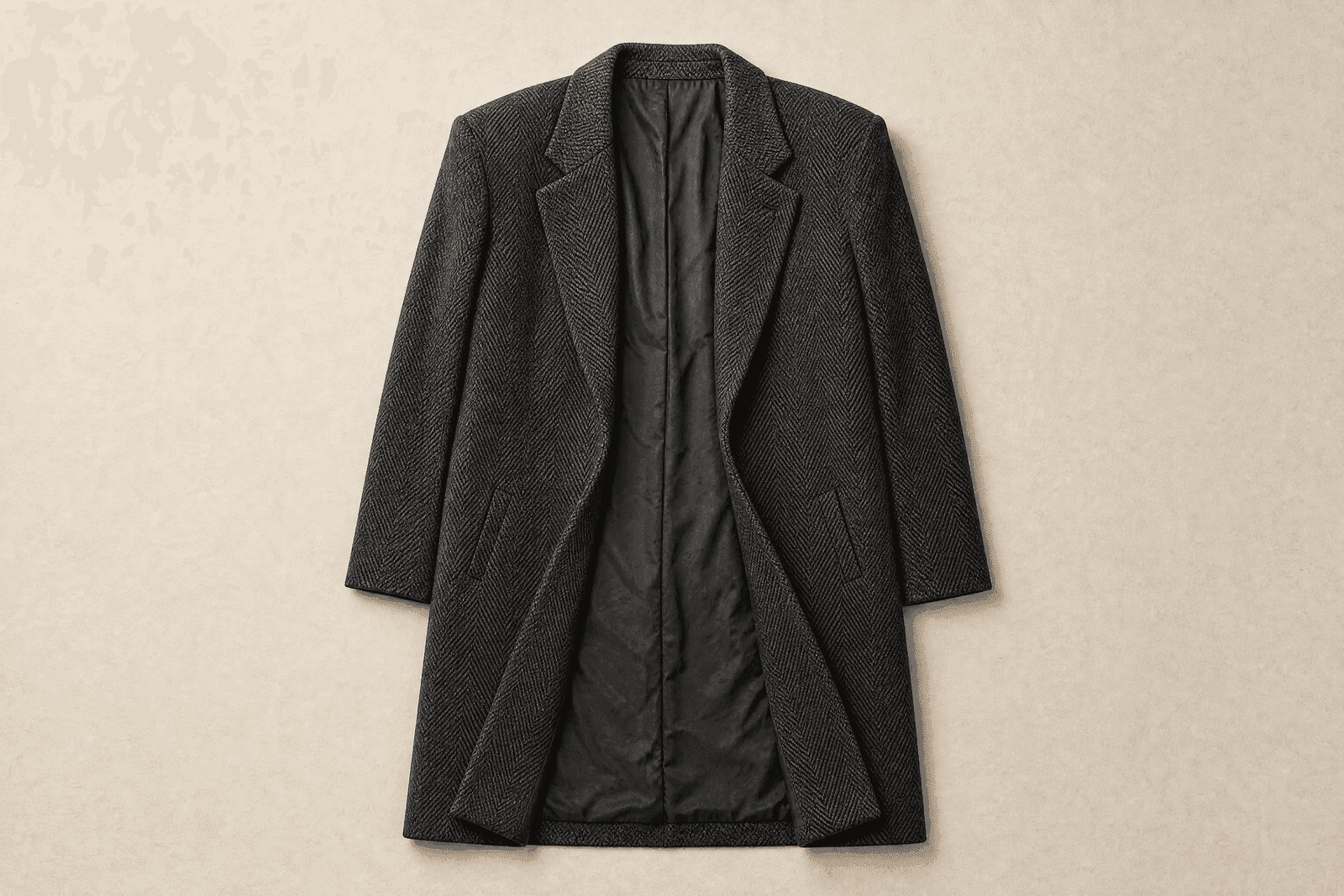
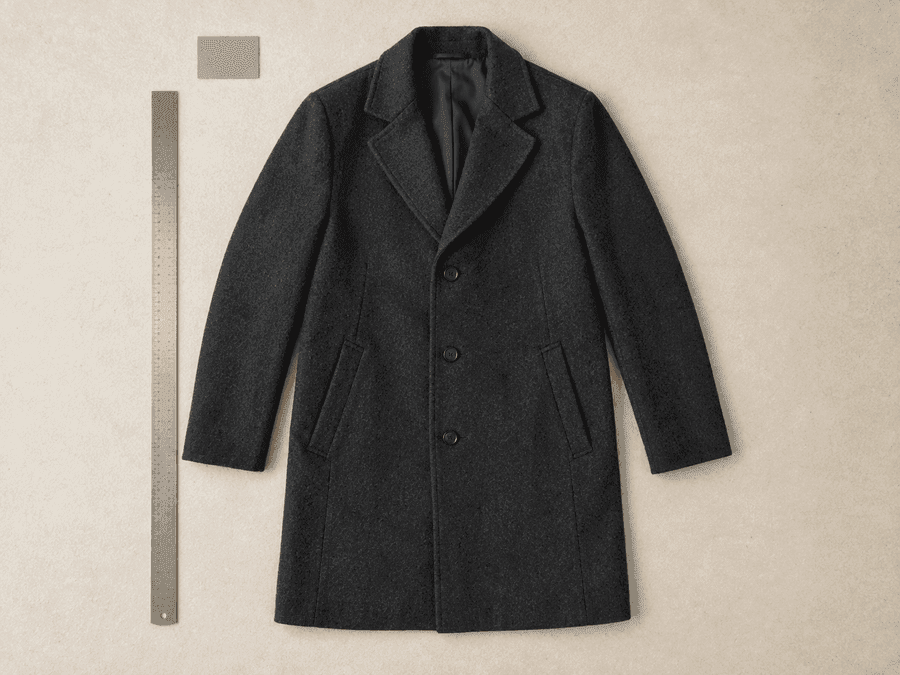
The charcoal herringbone wool coat this plan was drawn from, laid flat.
The piece
Type and cut
Single-breasted overcoat, notched lapel, set-in sleeves
Seam runs
Shoulder, side, centre back, two-piece sleeve
Usable cloth
≈ 2.4 m² clear of wear
Wear points
Shoulder line, both cuffs

02How it goes

Three steps, and none of them is “upload and hope”.

  1. A wool coat laid flat and squared on paper with a plain steel straightedge beside it.

    01

    Photograph it flat

    Front, back, and a close-up of whatever made you stop wearing it. Two to five pictures, laid flat on a plain floor or table. No modelling, no hanger.

    Photos are read, then deleted on your instruction. They are never used to train a model.

  2. Four sheets of blank translucent pattern tissue fanned out in a loose stack.

    02

    Say why you stopped

    One sentence is enough. Shoulders too big. Hem worn through. Collar frayed. That sentence is what turns a reading of the cloth into directions worth considering.

    Every direction comes back with what it would cost you, written before what it would give you.

  3. Steel dressmaking shears, a triangular tailor's chalk and a scatter of pins laid out on paper.

    03

    Take the plan away

    A drawing with the cut lines, the retained areas and the order of work on it, plus a short video of the unpicking sequence. Print it, or put it in front of a tailor.

    Printed in black and white, the plan still reads: kept areas are ruled, removed areas are dotted.

03One coat, four directions

The piece stays put. The plans move.

This is a real reading of the coat in the photograph: shoulders about 3 cm too wide, cuffs rubbed, everything else sound. Point at a direction and the coat shows you which part of itself it costs.

The charcoal herringbone wool coat this reading was made from, laid flat and squared.

Reading of the piece

Single-breasted wool overcoat, notched lapel, set-in sleeves

Herringbone wool, heavy, fully lined · About 2.4 m² of face cloth outside the wear points

  • Kept
  • Gone
  • Suggested cut line
  • Fold, never cut

Currently showing: Reset the shoulders

  • What you lose

    • You lose the original sleeve-head shape — it cannot be put back once the armhole is re-cut
    • You lose the padded line the coat was designed around; it will read softer
    • You lose roughly 2 cm of armhole ease, so a thick jumper underneath may no longer fit
    • You keep the length, the pockets, the lapel and the lining

    Order of work

    1. 01Unpick the lining at the armhole and along the shoulder
    2. 02Remove both sleeves, marking the balance points before they come off
    3. 03Take out the shoulder pads
    4. 04Unpick the shoulder seam and re-pin it along the new line
    5. 05Re-cut the armhole and re-hang both sleeves to the new balance points
    6. 06Ease the sleeve heads, press over a ham, close the lining by hand

    Cloth: No cloth removed beyond the seam allowances

    take in — measure your own shoulderSuggested line — measure again before you cut.SUGGESTED — NOT A FITTING

    Suggested — not a fitting. Drawn from photographs and what you told us, not from an examination of the garment.
  • Cutting is permanent. Read what you lose before you start. Every direction above removes something. None of them is recommended over the others, and none of them can be undone.

04The order of work

A drawing cannot tell you what to take off first.

So the plan comes with a short sequence: original, unpicked, separated, laid out. Ten to twenty-five seconds, no soundtrack, and every word on it put there by your browser rather than by a model.

  • Unpick the shoulder

    Seam ripper, along the grain. Do not cut the seam — pick it.

  • Separate the panels

    Mark the balance points before anything comes away from anything else.

  • Lay the new shape

    Pin before you press. Press before you sew.

No soundtrack — these files carry no audio at all. Nothing plays until you ask it to.

05What people bring

Almost every piece that comes through is the same story: the fabric is fine, the making is fine, and one specific thing has gone. That one thing is usually the smallest part of the garment.

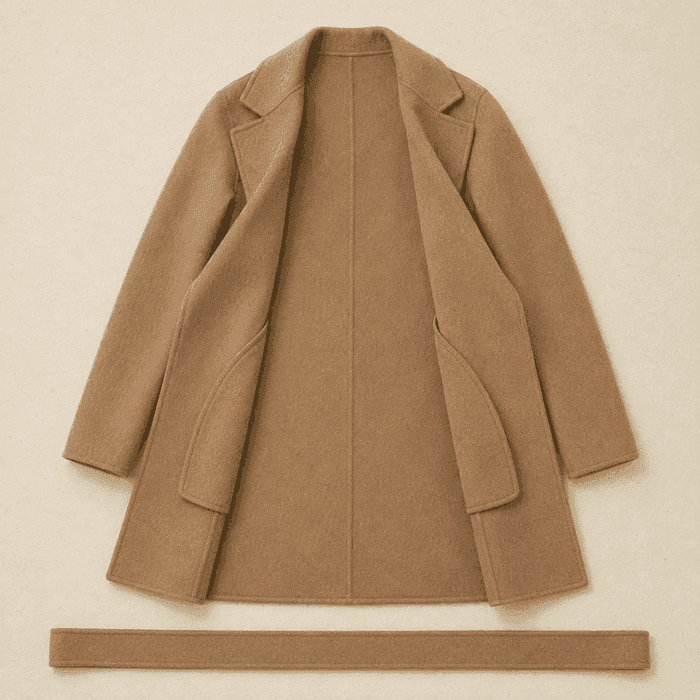
  • A camel double-faced wool coat laid flat and open.

    Camel wool coat

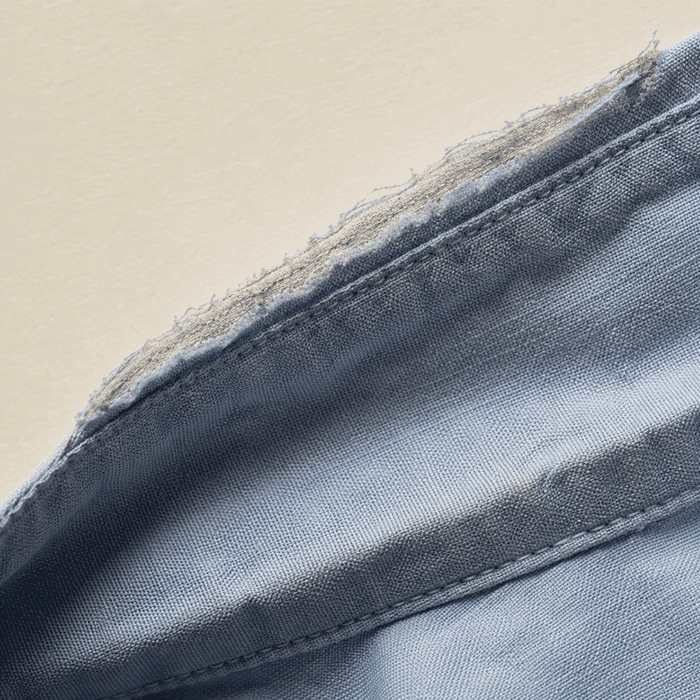
  • The worn-through outer fold of a cotton shirt collar in close-up.

    Collar worn through

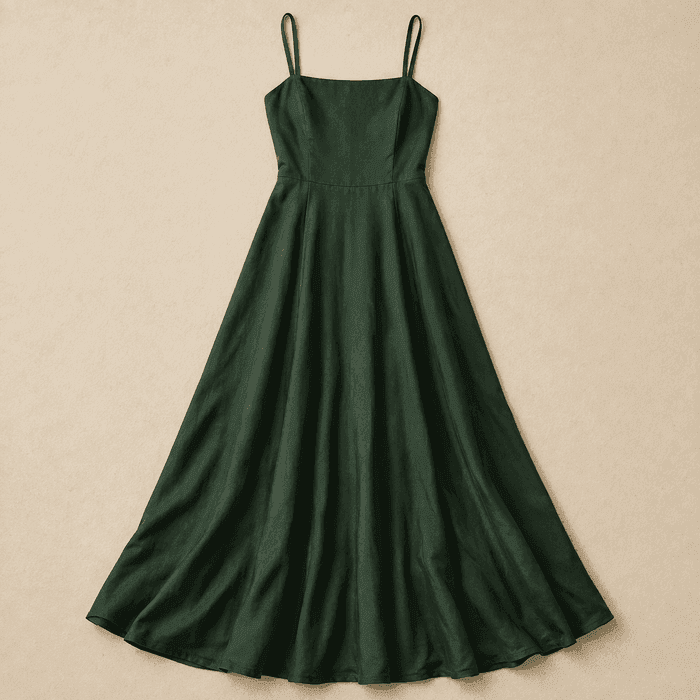
  • A floor-length forest-green silk-crepe dress laid flat.

    Silk-crepe dress

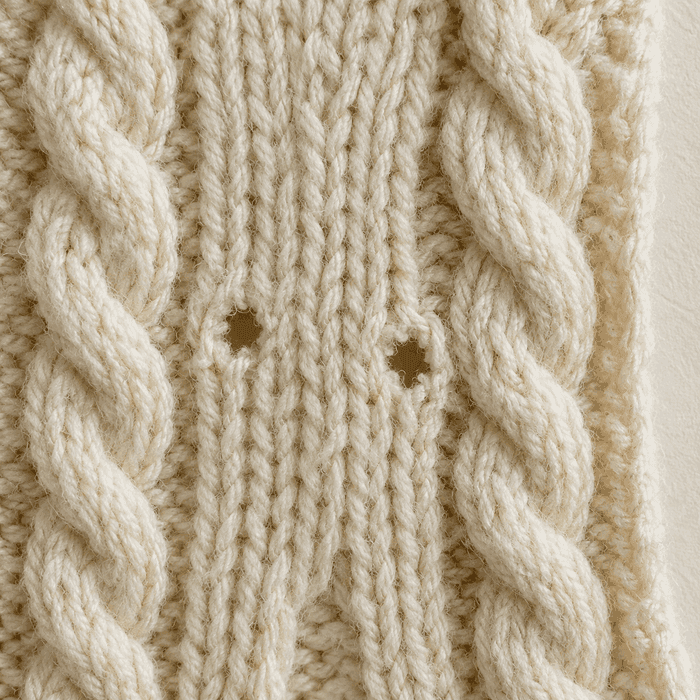
  • Two small moth holes in a cream cable-knit lambswool sweater.

    Moth holes

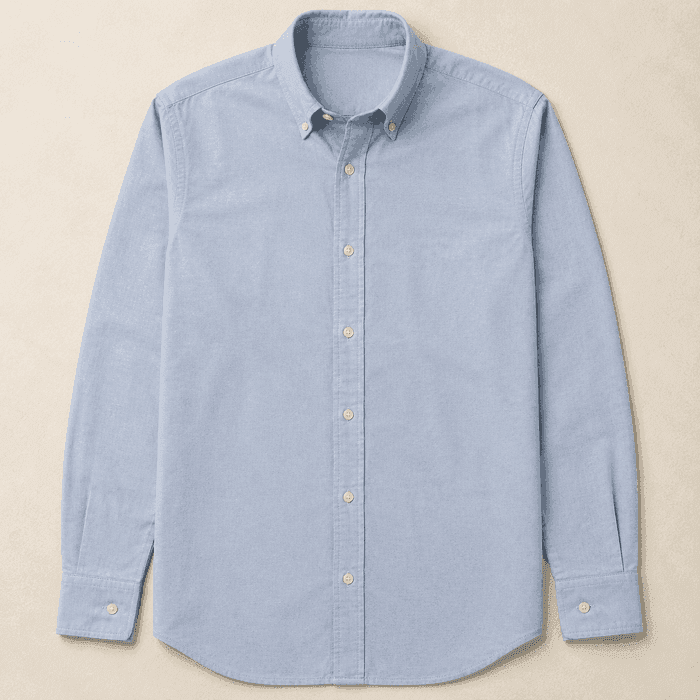
  • A pale blue cotton oxford shirt laid flat and buttoned.

    Oxford shirt

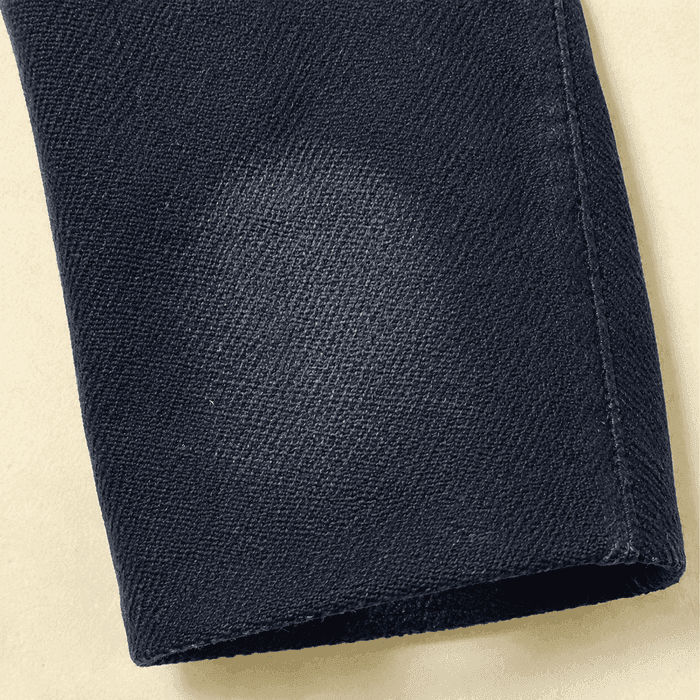
  • The rubbed, faintly shiny elbow of a navy wool blazer sleeve.

    Elbow rubbed shiny

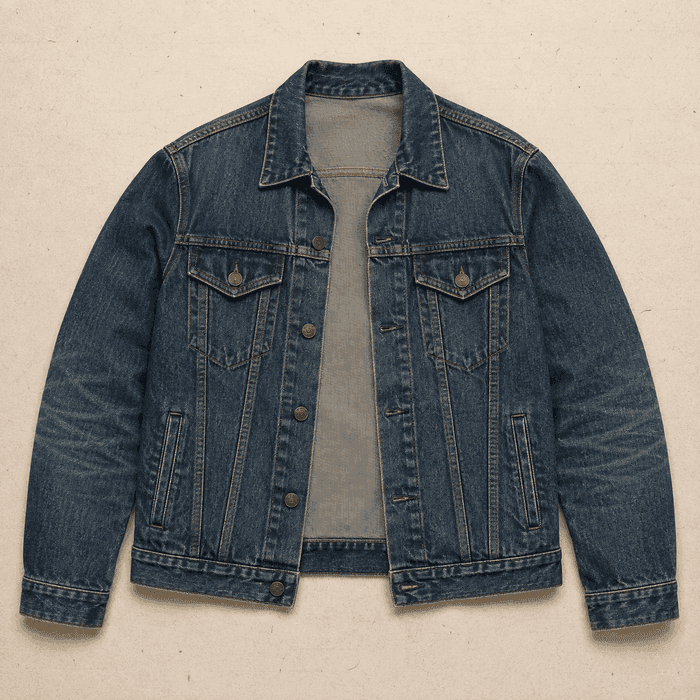
  • A faded indigo denim trucker jacket laid flat and open.

    Denim jacket

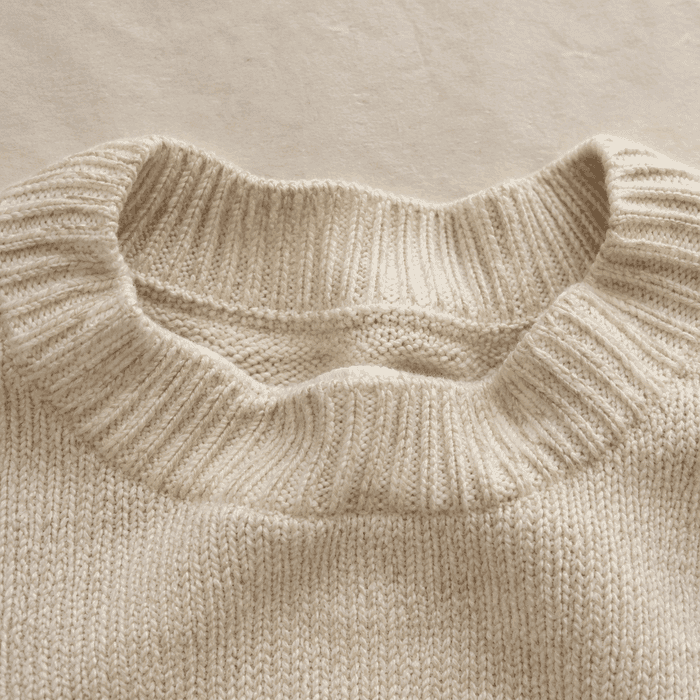
  • A stretched, wavy ribbed neckline on a cream knit sweater.

    Neckline gone

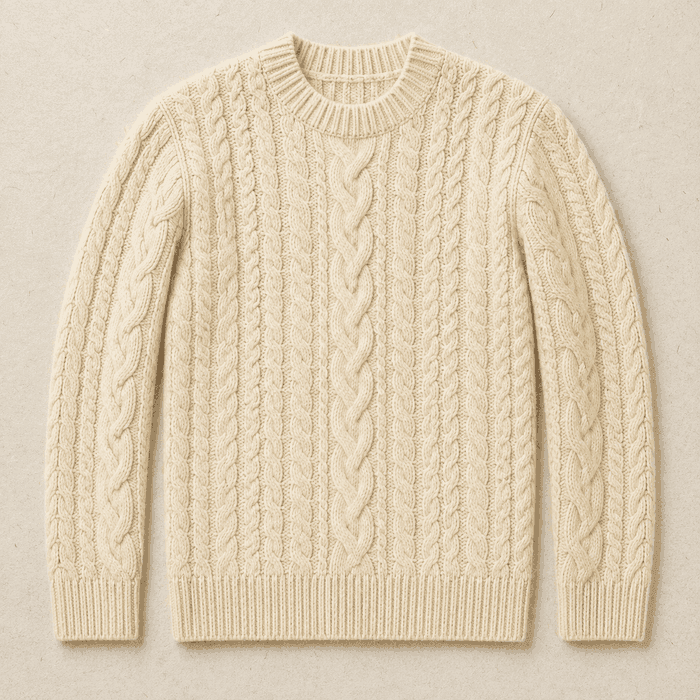
  • A cream cable-knit lambswool crew-neck sweater laid flat.

    Cable knit

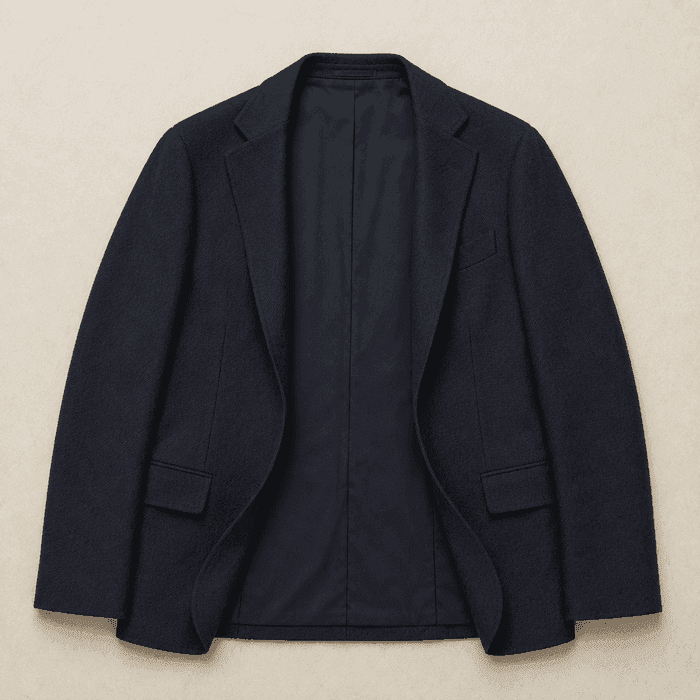
  • A navy wool single-breasted blazer laid flat and open.

    Wool blazer

  • An old let-down hemline crease running across grey wool trouser cloth.

    Old hemline

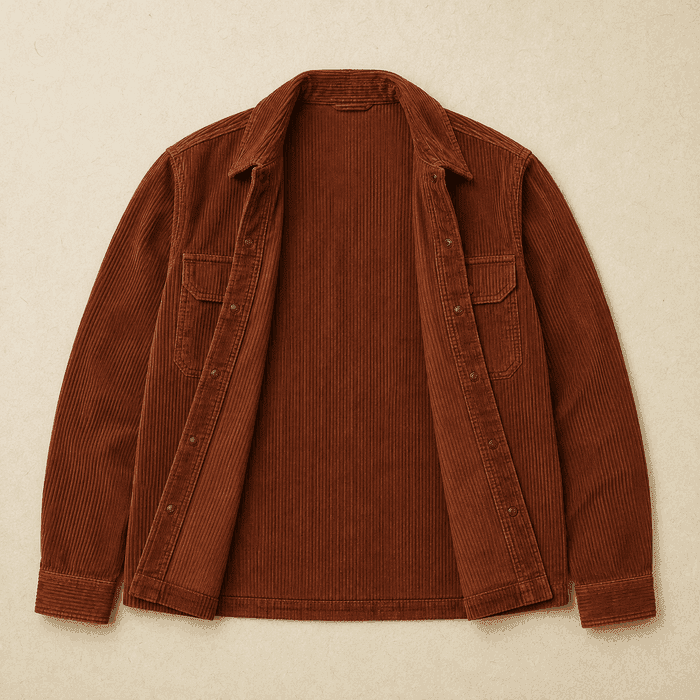
  • A rust-coloured wide-wale corduroy jacket laid flat and open.

    Corduroy jacket

06Tiers

Three tiers. Nothing else to buy.

No credit packs, no top-ups, no stored value. The free tier is a real tier with no clock on it — it simply cannot give you a drawing clean enough to cut from. Full comparison.

Prices inkl. MwSt. · billed in USD

  • Free

    Enough to find out whether the piece is worth cutting at all.

    $0always

    No card, no renewal

    50 allowance units a month

    • Photo reading: type, cut, seam runs, usable cloth area, wear points
    • Two directions, each with what you would lose
    • A cut plan on screen
    • The plan is watermarked across the cut lines, so it cannot be cut from
    • No unpicking-order video
    • No print sheet
    Start free

    No payment details are asked for.

  • Seam

    Most people

    One garment, taken all the way to a drawing you can hand over.

    $13per month

    Renews every month at $13

    480 allowance units a month

    • Every direction the piece supports, not just two
    • Clean plan, no watermark on the cut lines
    • Unpicking-order video, 10–25 seconds, no soundtrack
    • Print sheet at 1:1 and scaled to a page
    • Re-draw a plan as often as you like
    • One garment record at a time
    Choose Seam

    Cancel at any time from your account, in two steps, effective at the end of the paid period.

  • Remake

    A standing record of several pieces, kept and revisited over time.

    $39per month

    Renews every month at $39

    1800 allowance units a month

    • Everything in Seam
    • Multiple garment records kept side by side
    • Batch reading of a set of photographs
    • Priority processing queue
    Choose Remake

    Cancel at any time from your account, in two steps, effective at the end of the paid period.

06Questions, including the awkward ones

The two hardest ones first.

01What if I follow your plan and ruin the garment?

The plan is a suggestion drawn from photographs and from what you told us. It is not an inspection of your garment, and it cannot be. Fabric behaves differently under a seam ripper than it looks in a picture; seam allowances turn out narrower than expected; old cloth tears where it was creased for years.

Every cut line on every drawing is marked as a suggested line and carries the same instruction: measure it again on the garment itself before anything is cut. Recuts does not take responsibility for the outcome of an alteration — that is stated in the KI-Hinweis and in the AGB.

If you are not certain, do not cut. Take the drawing to a tailor and let somebody who can handle the cloth decide.

02Can you do the alteration for me?

No. Recuts does not alter clothes. It does not take in work, does not match you with a tailor, does not recommend one, and does not price a job.

What it makes is the material you take to somebody: a drawing of the garment with the cut lines and the retained areas marked, the order the pieces come apart in, and a short video of that sequence. Who you take it to, and what they charge, has nothing to do with us.

03What happens to the photographs I upload?

They are read in order to produce your plan, and stored against that garment record so you can come back to it later.

They are never used to train a model. Not ours, not anybody's. You can delete a garment record and its photographs at any time from your account; everything is removed within 90 days of deletion or of the account being closed. The full account is in the Datenschutzerklärung.

Please do not upload photographs with identifiable people in them. The product only needs the garment, laid flat.

04How accurate is the reading, really?

It is an inference from photographs, so it is confident about some things and genuinely uncertain about others.

Garment type, seam runs and visible wear points read reliably. Usable cloth area is an estimate. Whether a particular seam has enough allowance to be let out, and whether the fabric will survive being unpicked at all, cannot be established from a photograph — only with the garment in hand.

Nothing on this site promises that an alteration will succeed or that a piece will end up fitting. Neither promise would be true, so neither is made.

05Can I get a refund, and what about the 14-day right of withdrawal?

As a consumer you have a fourteen-day right of withdrawal on a distance contract (§ 312g BGB).

For a digital service that right can end before the fourteen days are up, but only under § 356 Abs. 5 BGB and only if two things are true: you expressly asked us to begin during the withdrawal period, and you expressly acknowledged that you lose the right by doing so. At checkout those are two separate boxes, neither pre-ticked, and both are repeated back to you in the order confirmation email.

If you leave either box unticked, the order still goes through and the fourteen days run as normal. The full text and the standard withdrawal form are on Widerrufsrecht.

06How do I cancel a subscription?

From your account, in two steps, at any time.

It takes effect at the end of the period you have already paid for, and you keep access until then. Cancelling is exactly as easy as subscribing was: no phone call, no email, no questionnaire asking you to reconsider.

07Do unused allowance units carry over? Can I buy more?

No, and no.

The allowance resets at the start of each period and anything unused does not carry over. There is nothing to buy on top: no credit packs, no top-ups, no stored value. An allowance is a service allowance — it is not money, not a balance, not redeemable for cash and not transferable.

If you run out before the period turns over, the choice is to wait or to move up a tier. We would rather say that plainly than sell you a balance.

08Is there a minimum age?

Yes. Recuts is for adults: you must be at least 18 to open an account and to enter a subscription.

The product ends with somebody putting shears through their own property under a paid contract. That is not something we are willing to put in front of a minor.

07One garment is enough to start

Find out what it could be before you decide anything.

The free tier reads the piece, gives you two directions and shows you what each one costs. Nothing is cut, nothing is bought and no card is asked for.

Cutting is permanent. Read what you lose before you start. Recuts does not alter clothes, take in work, recommend a tailor or price a job. It makes the drawing you take to one.

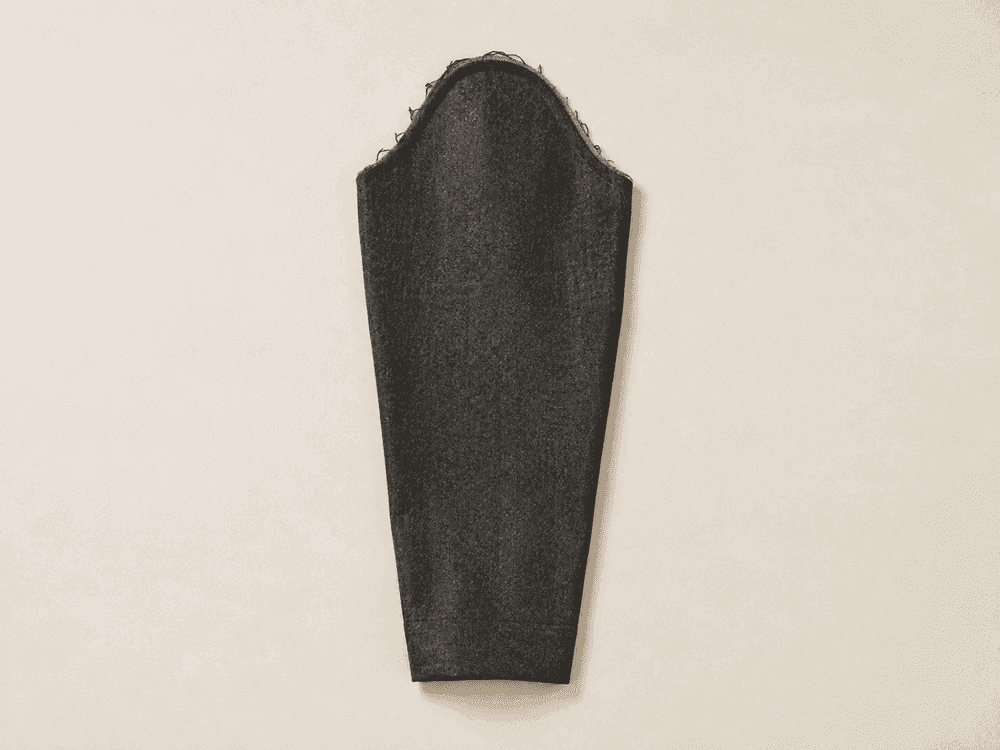
A single detached wool coat sleeve laid flat and alone on a large paper backdrop.
Once a sleeve is off, it is off